What Is a Mouse Drag Click Test?
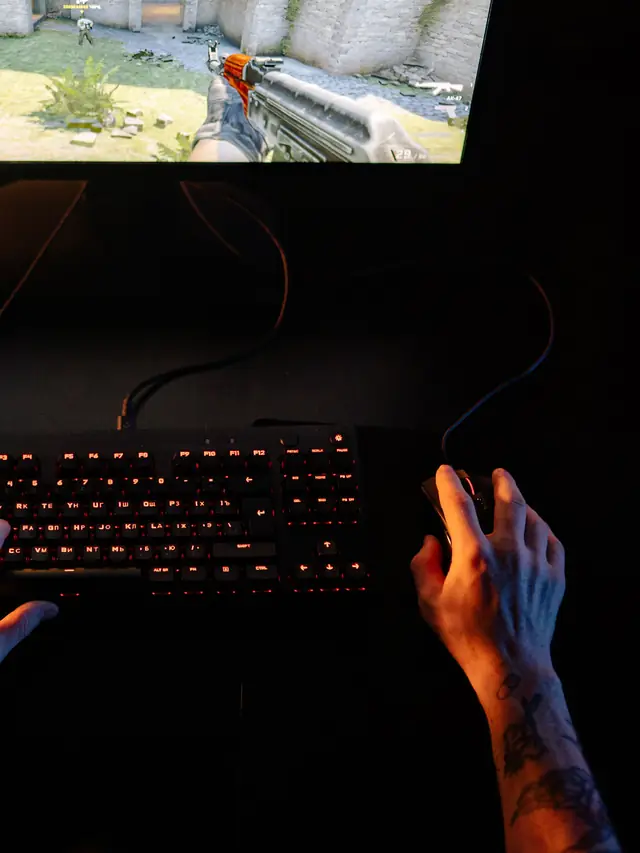
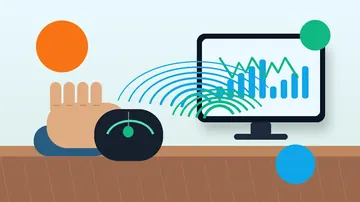
A mouse drag click test measures how many clicks per second (CPS) you can register by dragging a finger across your mouse button, exploiting the vibration between the finger and switch to trigger rapid-fire inputs. The tool counts every click event, calculates average CPS, peak CPS, and detects short 200ms burst spikes that distinguish drag-clicking from normal rapid clicking.
Unlike a standard mouse click test, which measures sustained CPS from normal pressing, this test is tuned for the specific burst pattern of drag-clicking. Drag-clickers can hit 30-80 CPS in short bursts compared to 10-14 CPS from normal clicking, and this tool visualizes that difference on a live click-timeline graph.
The test runs entirely in your browser. Pick 5s, 10s, or 30s, press Start, and click or drag across the arena as fast as you can. Your best score is saved locally.
Drag Click vs Jitter Click vs Butterfly Click
Competitive clicking has three main techniques, each with different CPS profiles:
Drag click
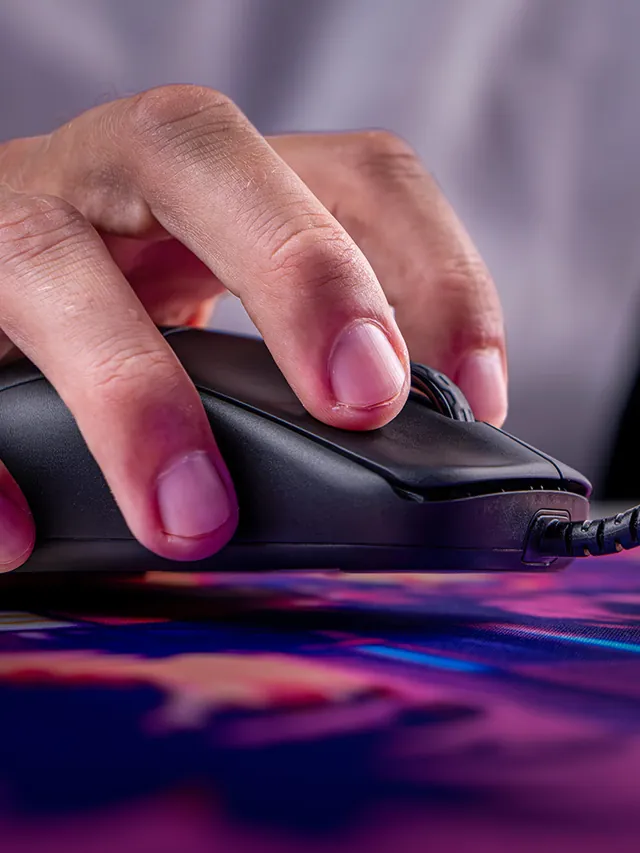
Slide a finger across the mouse button. Finger friction causes the button to oscillate, triggering multiple electrical click events from one physical motion. Typical peak: 30-60 CPS for 0.5-1 second bursts. Requires a mouse with the right switch tolerances (many gaming mice have drag-click-friendly switches like Huano or Kailh whites).
Jitter click
Tense your forearm and let the muscle tremor click the button rapidly. Sustained, not burst. Typical peak: 10-15 CPS sustained. Works on any mouse but is physically fatiguing and can cause tendonitis.
Butterfly click
Alternating two fingers on the same button, or two buttons (left + right). Typical peak: 12-20 CPS sustained. Limited by the mouse's click debounce.
This test detects and reports all three. The Peak CPS metric shows your sustained rate. The Drag Burst Peak metric shows your highest 200ms burst — a clear indicator of drag-click capability.
Why Drag Click Testing Matters
Minecraft PvP and 1.8 combat
Pre-1.9 Minecraft combat rewards raw CPS. Drag-clicking gives competitive players a meaningful edge in hit frequency against opponents. Tournament servers often benchmark drag-click capability.
Mouse switch evaluation
If your mouse supports drag-clicking well, you'll see peak bursts of 30+ CPS. If you cap at 10-12 CPS no matter how you drag, the switches are debouncing the extra clicks at hardware level. This is useful data before you buy a new mouse for competitive clicking.
Hand technique feedback
The click timeline graph shows exactly when your clicks cluster. Smooth drag-clickers see even distribution; beginners see spiky patterns with gaps. Practice with this visual feedback to smooth out your technique.
To practice keyboard movement separately from mouse clicks, try the WASD movement trainer.
Tips to Improve Your Drag Click CPS
- Texture matters. Slightly grippy finger pads (not dry) and a lightly textured click surface create the friction drag-click needs. Sand your fingertip lightly if it's too smooth.
- Angle. Hold your finger at 30-45 degrees relative to the button surface. Too flat: not enough friction. Too vertical: not enough travel.
- Short bursts. Target 0.5-1 second bursts, not sustained dragging. The Drag Burst Peak metric rewards short explosive patterns.
- Avoid double-click detection. Some mice report drag-click bursts as single held clicks due to debounce. If your CPS stays low, run the ghost click detector to confirm each click registers as a separate event.
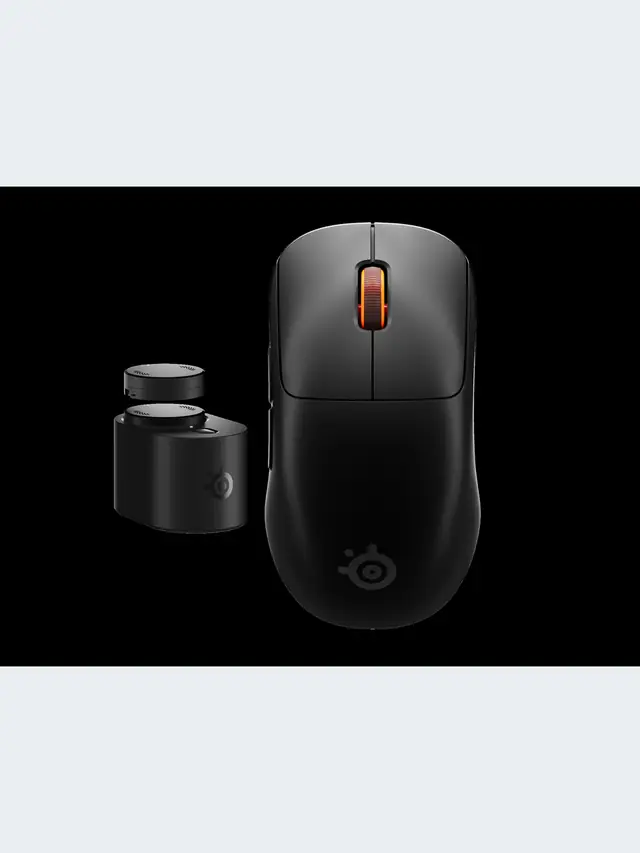
- Use the right mouse. Glorious Model O, Razer Viper, Bloody A70, and some SteelSeries models are known for drag-click compatibility. Stock office mice and older Logitech G-series often cap clicks.
- Verify your sensor setup. Drag-clicking works best at a stable, moderate DPI — check your mouse DPI and sensitivity so aim stays consistent while you practice bursts.
If the drag sound is there but the CPS timeline stays flat, follow the full drag click low CPS troubleshooting guide before buying a new mouse.
Related Mouse Tests
Need the diagnostic workflow behind this tool? Read why your drag click test CPS is low.