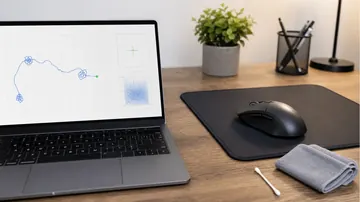
What Is a Mouse Accuracy Test?
A mouse accuracy test — also called a mouse aim test — is a timed aim-training benchmark that measures how precisely you can click small targets as they appear on screen. The tool spawns circular targets at random positions, records every click, and reports three key numbers: hit percentage, average pixel error (how far your clicks land from the target center), and average time per target. Because every session is scored and timed, it doubles as a mouse accuracy game: the target to beat is your own previous best, not a leaderboard.
Unlike a simple mouse tester that only verifies your buttons and scroll wheel work, the accuracy test measures the output of your aim itself. It's the tool you use when your hardware is fine but you want to know how good your actual pointing is — or whether your current DPI and in-game sensitivity settings are working for you.
If timed targets feel too fast, build confidence with untimed mouse practice lessons in pointing, clicking and dragging, then return to this test to measure your progress.
The test runs entirely in your browser. Pick a session length (30s, 60s, or 120s), pick a target size, press Start, and click every target that appears as fast and as close to center as you can. At the end you get a single score — hits multiplied by accuracy — stored as your local best for future comparison.
Why Measure Mouse Accuracy?
Mouse accuracy is one of the hardest skills in competitive gaming and precise desktop work to measure honestly. Most players guess. A proper benchmark replaces guessing with numbers.
Calibrate your DPI and sensitivity
If you've ever wondered whether you should play at 400 DPI or 800 DPI, or whether your current in-game sensitivity is too high, the only way to know is to run the same test at different settings and compare scores. Run a 60-second session at your current DPI, change it, and re-run. Whichever produces higher accuracy, lower average pixel error, and comparable reaction time is the better setting for you.
Track improvement over time
The tool stores your best score locally. Run a session every few days and you'll see the trend. Aim gets better with practice — you want proof it's actually improving, not just a feeling.
Compare hardware
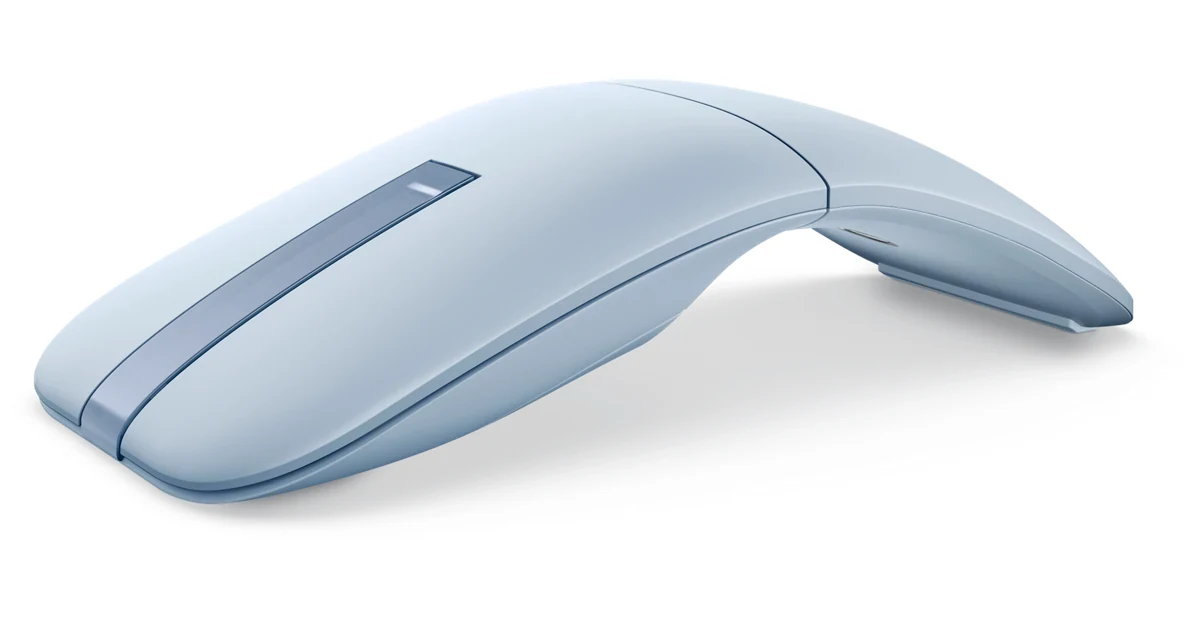
Testing a new mouse? Run a baseline on your old mouse first, then the same test with the new one. A meaningful hardware difference will show up as a repeatable change in accuracy and average error.
The DPI tester tells you what DPI your mouse is reporting. The accuracy test tells you whether that DPI is actually useful to you. Together they're a two-tool feedback loop: measure, adjust, remeasure.
How to Read Your Results
Accuracy %
Percentage of clicks that landed on a target. Above 90% on medium targets is good. Below 75% means you're either clicking too fast for your control or your sensitivity is wrong for the distances involved.
Avg error (pixels)
The average distance from the target center to where your click actually landed. Lower is better. A typical esports-level player on 800 DPI / 1.0 sensitivity gets 8–14 pixels on medium targets. Above 20px means the clicks that did hit were landing near the edges — practice will help, but sensitivity may also be too high.
Avg time per target (ms)
Average milliseconds between a target appearing and you clicking it. Most sessions on medium targets land between 350 and 550ms: the average time per target sits around 450–550ms, 300–400ms is good, 250–300ms is excellent, and under 250ms is elite. It is always slower than pure reaction time because it includes the cursor travel — reaction alone (no aiming) is better measured with the dedicated reaction time test. Not sure how your number stacks up? Our guide to the aim trainer score benchmarks break down average, good, and elite ms-per-target tiers alongside hit-% and pixel-error benchmarks.
Score
Hits × accuracy ratio × 100. This rewards getting more targets AND being more precise. A player who hits 80 targets at 90% accuracy scores higher than one who hits 100 at 60%.
Who Uses Online Mouse Accuracy Tests?
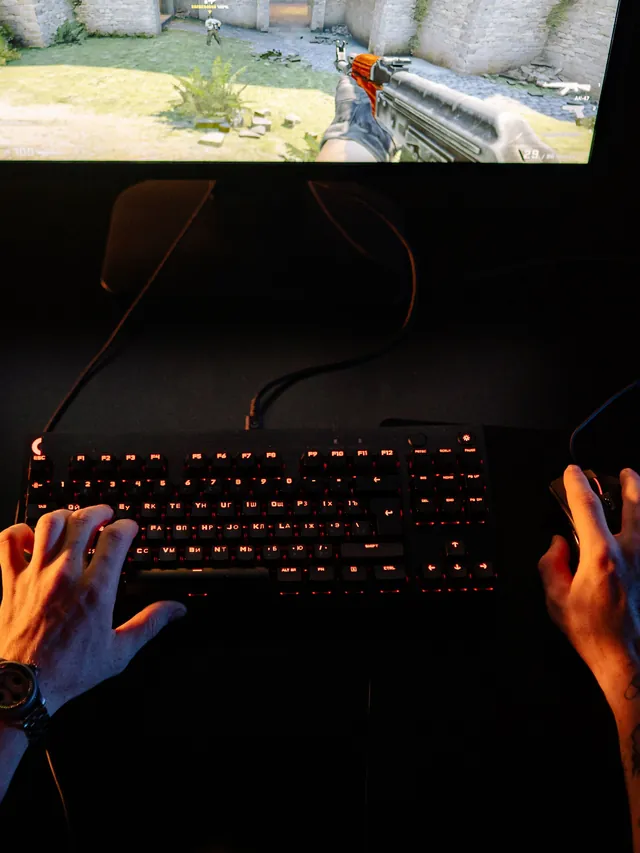
Competitive FPS players running CS2, Valorant, Apex Legends, Overwatch 2, and Rainbow Six Siege use accuracy tests to calibrate their sensitivity before ranked matches and to measure the impact of hardware changes.
Aim trainers like KovaaK's and Aim Lab go deep on drills. A free browser tool like this one gives a quick daily baseline between longer training sessions.
Graphic designers, CAD users, and video editors run the test to dial in sensitivity for precision pointing work — selecting anchor points, cutting paths, and placing markers down to the pixel.
Hardware reviewers use before/after comparisons with the same accuracy workflow to show how a new mouse or sensor actually performs in practice, not just on the spec sheet.
Related Tools on KeyboardTester.click
Aim is only one part of mouse performance. Pair the accuracy test with these focused diagnostics: